Many hamster owners ask what you should feed your pet; you should offer a balanced mix of quality pellets, fresh vegetables and occasional fruit, provide…
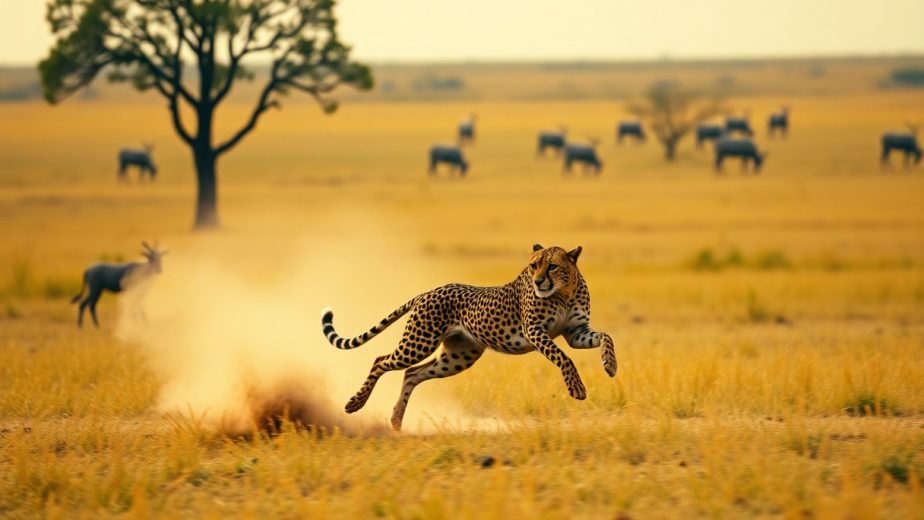
There's a precise hunting profile you should know: cheetahs target small to medium ungulates, rely on incredible acceleration, and avoid confrontations with larger predators, so…
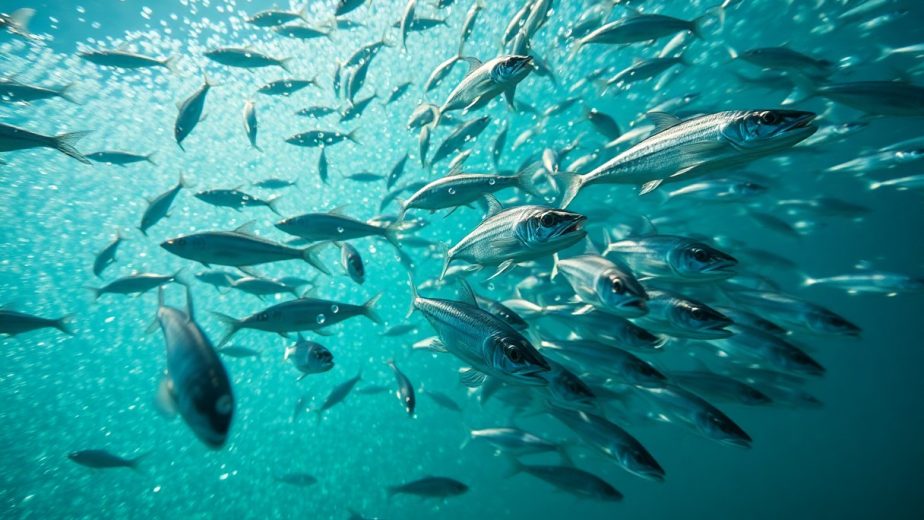
Most sardines feed on plankton; you should know they consume tiny phytoplankton and zooplankton, including copepods, forming a key link in marine food webs. Primary…
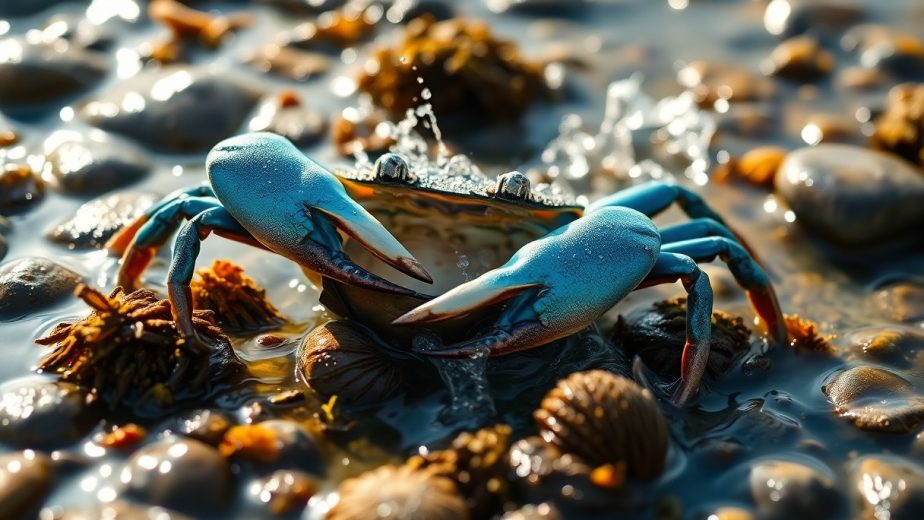
Diet of crustaceans spans scavenging, predation, and grazing; you often encounter omnivores and scavengers, some are active hunters, and a few can inflict painful pinches.…
There's little food in winter, and you should know moose eat woody browse (willow, birch), dig through snow to reach twigs, face starvation risk during…
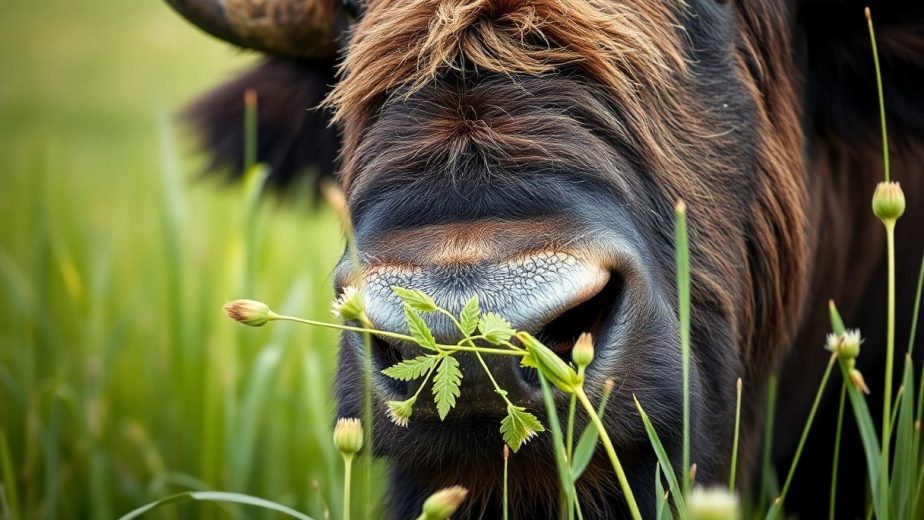
Many buffalo feed mainly on grasses and sedges, supplementing with shrubs, herbs and water; you should respect that herds are powerful and can be dangerous…
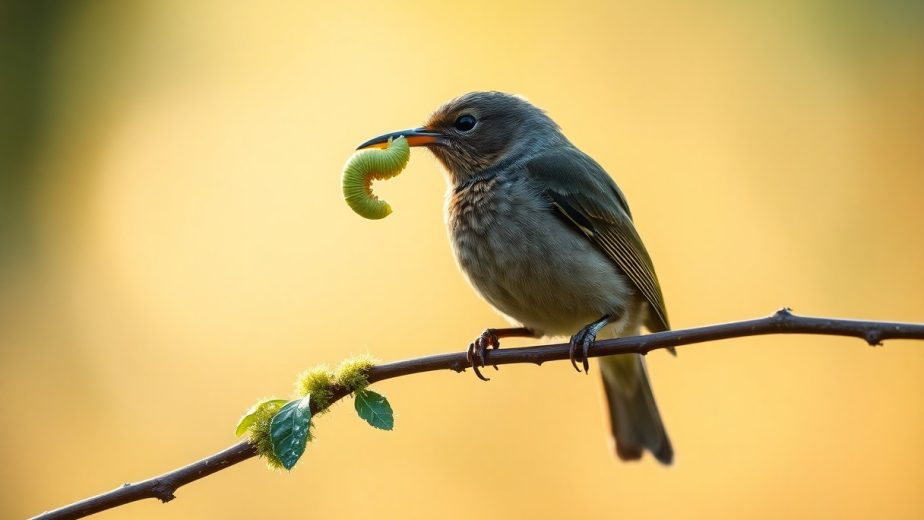
Most nightingales feed primarily on insects-caterpillars, beetles and flies-while they also take berries; you should watch for pesticide-contaminated prey as a dangerous risk and note…
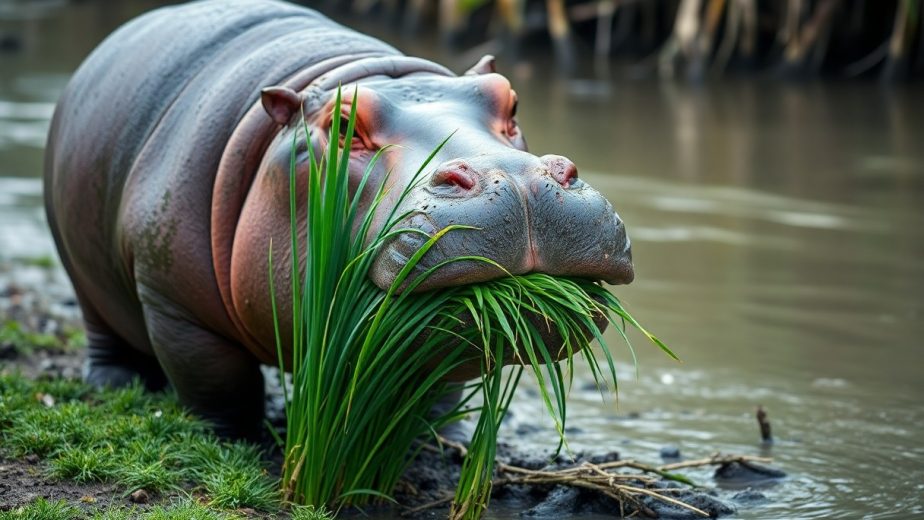
Most hippos eat short grasses and shoots on land; you are observing primarily nocturnal grazers who can be highly aggressive if approached, so you must…