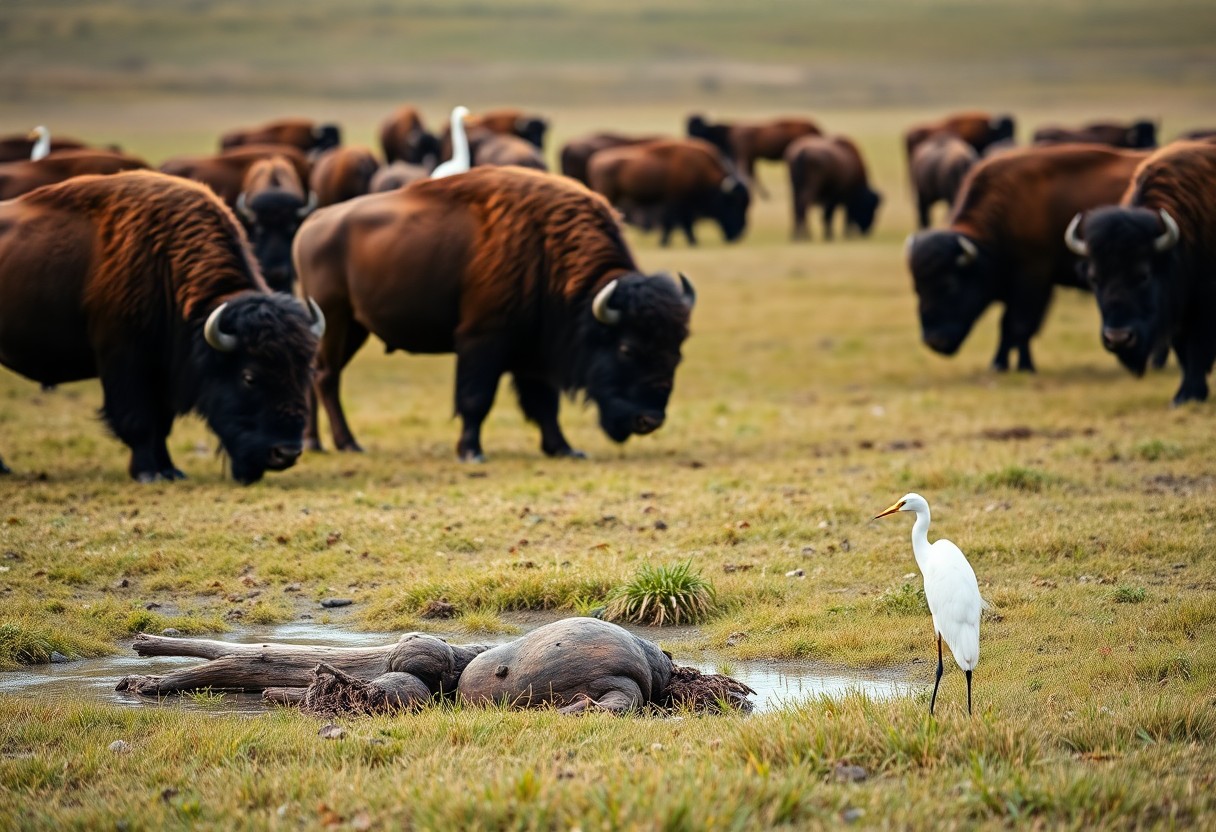
Many buffalo act as ecosystem engineers, and you benefit from their role boosting biodiversity; their grazing and wallows drive nutrient cycling and wetlands, though their herds can be dangerous through overgrazing or disease spread.
Major Types of Buffalo and Their Habitats
| Type | Typical Habitat |
|---|---|
| African Buffalo | Savannahs, grasslands, woodlands near water |
| Cape Buffalo | Open grasslands and floodplains |
| Forest Buffalo | Dense forests and swampy lowlands |
| Asian Water Buffalo | Wetlands, floodplains, rice paddies |
- You observe grazing that maintains grass structure and fuel loads.
- You note seed dispersal and nutrient cycling driven by buffalo movement.
- You see engineer effects from wallows and channels created by water buffalo.
The African Buffalo: Keystone of the Savannah
Herds of African Buffalo shape grasses and water access, so you witness increased biodiversity where they graze; their protective behavior can be dangerous to humans, and you must respect their space while studying their role as a keystone species.
Asian Water Buffalo: Engineers of the Wetlands
Wetlands receive major hydrological changes from Asian Water Buffalo through wallowing and trampling, and you benefit from improved water retention and richer aquatic habitats as a result; unmanaged herds may cause crop damage near paddies.
This habitat engineering creates microhabitats and channels that you can monitor for biodiversity gains, while wild populations face threats from hunting and habitat loss that reduce those ecosystem services.
Essential Factors in Buffalo-Driven Ecosystems
You observe how buffalo grazing patterns shape plant communities, create patches of high and low vegetation, and promote biodiversity by preventing any single species from dominating; their hooves break soil crusts and increase nutrient cycling.
- Buffalo
- Grassland
- Soil
- Scavengers
- Food web
Grazing intensity and movement patterns determine whether you see improved soil health or increased erosion and compaction; you must monitor herds to avoid negative impacts. This role makes buffalo agents of change that can restore degraded areas or, if mismanaged, exacerbate soil loss.
Impact on Grassland Composition and Soil Quality
Your observations will note that selective grazing by buffalo favors grasses over woody plants, maintaining open swards and supporting pollinators; trampling mixes organic matter into topsoil and boosts fertility while heavy concentrations can cause erosion that reduces plant cover.
Contribution to the Food Web and Scavenger Support
Scavengers such as birds and carnivores depend on buffalo carcasses for reliable food pulses; you can see increased species richness where carrion is predictable. You should balance the positive effect on biodiversity with the elevated disease risk to livestock and humans.
Carcasses deliver concentrated nutrients that fuel local food webs and support invertebrate communities you rely on for decomposition services; monitoring these hotspots helps you track ecosystem health and potential disease transmission.
Importance of buffalo in ecosystems shows you how their grazing and wallowing create habitats, support biodiversity, and drive nutrient cycling, while you must note risks like disease spread and overgrazing that can harm habitats.
Step-by-Step Process for Successful Habitat Management
| Step-by-Step Process for Successful Habitat Management | |
Initial Land Assessment and Carrying CapacitySurvey the property to map soils, water availability, and vegetation composition so you can calculate carrying capacity and set stocking rates that avoid overgrazing. |
Long-Term Monitoring of Herd Health and MovementMonitor herd behavior using camera traps and periodic health checks so you spot disease outbreaks early and protect both buffalo and neighboring species. Track movements with GPS collars and range surveys so you identify and protect migration corridors and reduce dangerous fence and road interactions. Analyze collected data to detect shifts in population trends, stress indicators, and calf survival, enabling adaptive management that supports habitat recovery and long-term persistence. |
What Makes Buffalo Important in Ecosystems
Protect migration routes and wetlands to keep buffalo populations healthy; you should restore damaged habitat protection and enforce anti-poaching measures. You can monitor herds with collars and community patrols to reduce the most dangerous losses.
Adopt simple policies that balance grazing, water access, and land use so you preserve ecosystem services and support local livelihoods.
- habitat protection
- anti-poaching
- water security
- community integration
Optimizing Water Source Access and Security
Hydrate herds by maintaining natural wetlands and protected troughs so you limit contamination and conflict; install solar pumps and secure fencing where needed to prevent livestock competition. You should map seasonal water points and create emergency reservoirs to reduce drought mortality.
Integrating Local Communities into Conservation Efforts
Engage villagers with benefit-sharing schemes so you convert potential conflict into cooperation; offer payments for reporting poaching and training for eco-monitoring to keep communities invested. You should highlight economic benefits from tourism and stable herds.
Build trust by funding local enterprises tied to buffalo protection so you create workplace options and reduce illegal hunting pressure; provide clear compensation for crop damage to avoid retaliation. You must prioritize transparent agreements and shared decision-making.
Knowing you support community-led patrols, education, and revenue-sharing, you strengthen long-term protection and create incentives that align local wellbeing with conservation goals.
Final Words
Conclusively you understand that buffalo shape ecosystems through grazing and wallowing, creating patches that boost plant diversity, dispersing seeds, and cycling nutrients via dung and trampling. You benefit from their role in maintaining soil health, regulating fire-prone vegetation, and sustaining food webs that support many other species and human livelihoods.