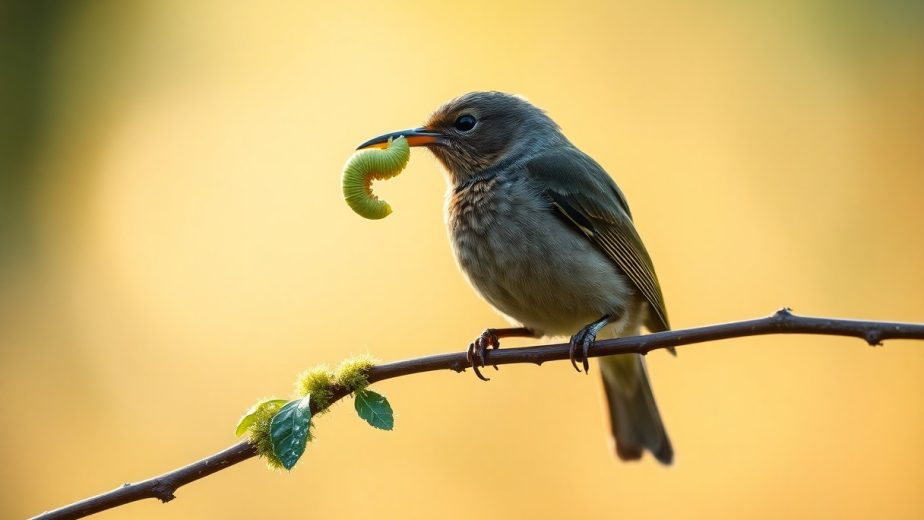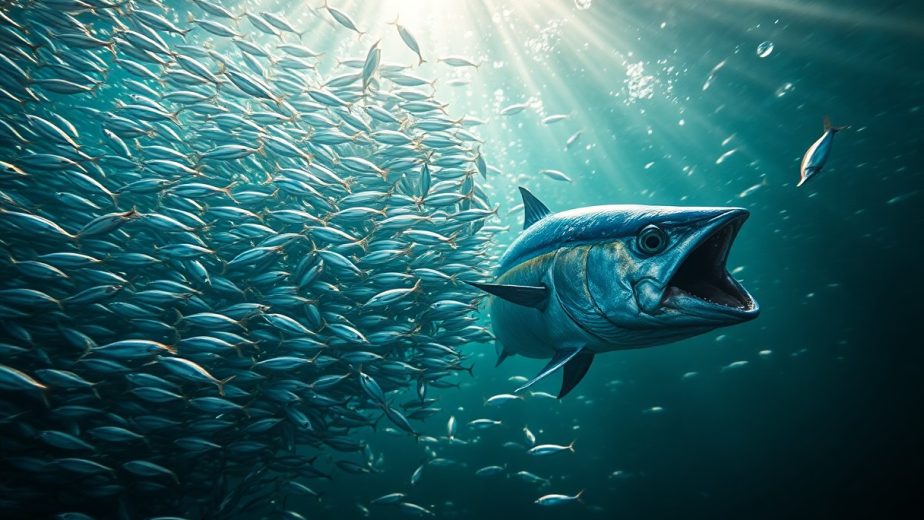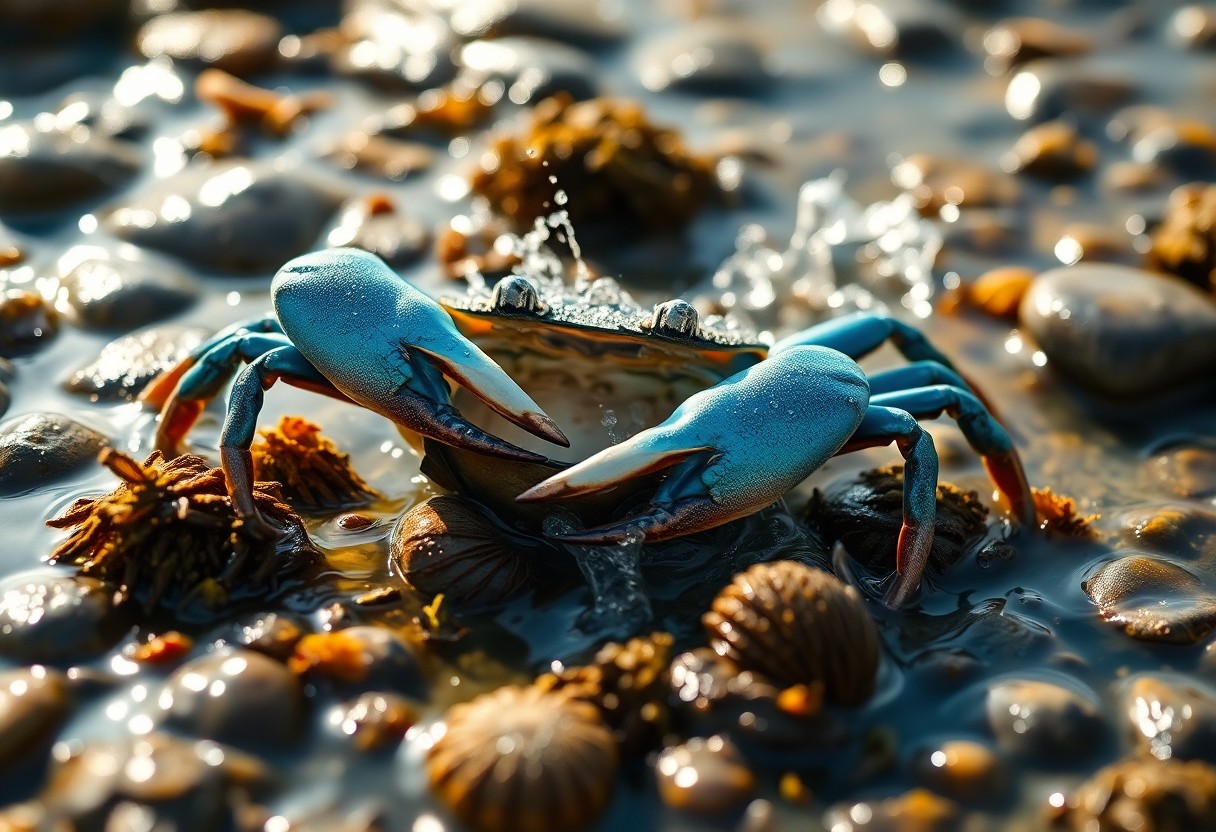
Diet of crustaceans spans scavenging, predation, and grazing; you often encounter omnivores and scavengers, some are active hunters, and a few can inflict painful pinches. You also see key ecosystem recyclers that break down detritus and support food webs.
Diverse Types of Crustacean Diets
Many crustaceans adapt their feeding to habitat and size, so you encounter herbivores, detritivores, filter feeders, carnivores, and omnivores across ecosystems.
Some species shift diets seasonally, and you should note that consumption of toxic algae can render prey dangerous to predators and to you if contaminated seafood is eaten.
- Herbivorous
- Detrital
- Carnivorous
- Omnivorous
- Filter feeders
| Diet Type | Examples |
| Herbivore / Detritivore | Algae, plant matter, detritus |
| Carnivore | Small fish, mollusks, worms |
| Omnivore | Algae, carrion, small prey |
| Filter feeder | Plankton, suspended organic particles |
Herbivorous and Detrital Feeders
Algae and decaying plant matter fuel many diets, and you will see detrital feeders cleaning substrate and recycling nutrients that support broader food webs.
Carnivorous and Omnivorous Predators
Predatory crabs and shrimp use powerful claws and speed to seize prey, and you may encounter species with powerful bites or venomous defenses that can injure handlers.
You will find omnivorous species mixing plant matter, carrion, and live prey, giving them flexibility that helps them persist when conditions change.
After observing feeding behavior, you can better predict ecological roles and identify species that pose human health or handling risks.
Key Factors Determining Food Choices
You must weigh anatomical limits, resource distribution and behavioral risks when predicting a crustaceans diet; mouthparts and mobility constrain what they capture and process, and you should note how predation or harmful algal blooms shift choices.
- Morphology: mouthparts and limbs
- Habitat: benthic vs pelagic
- Water temperature: metabolic rate
- Molting: increased mineral need
- Predation: risk and concealment
Factors interact so seasonal change or human impact can reframe available food and force dietary flexibility. The resulting patterns let you predict feeding behavior from local environmental cues.
Ecological Niche and Water Temperature
Temperature governs metabolic pace and, paired with niche, determines whether you see active hunting or slow detritus feeding; warm water typically raises feeding rates while cold favors energy‑saving diets, so use ecological niche signals to infer food choices.
Ecological niche vs water temperature
| Niche | Temperature effect |
| Pelagic filter-feeders | Warmer: increased plankton → more filter feeding; Cooler: reduced plankton → seek detritus |
| Benthic scavengers | Warmer: higher activity → active scavenging; Cooler: slower digestion → favor high-energy prey |
| Territorial predators | Warmer: higher hunt frequency; Cooler: reduced pursuit, more ambush tactics |
Molting Cycles and Mineral Requirements
Molting raises demand for calcium and other minerals, so you will see postmolt individuals seeking mineral-rich foods or ingesting shells and gastroliths to harden the new exoskeleton, which increases vulnerability to predation.
Calcium storage tactics like gastroliths let some species time mineral use, but when you detect mineral scarcity growth slows and shells remain soft longer, raising mortality risk; monitor substrate and diet to assess recovery after ecdysis.
Step-by-Step Process of Nutrient Acquisition
| Nutrient Acquisition Steps | |
|---|---|
| Stage | Your Role |
| Detection | Sense chemical and mechanical cues with antennae and setae |
| Capture | Seize, pinch, or filter food using appendages |
| Processing | Shred and sort with maxillipeds and mandibles |
| Absorption | Enzymatic extraction in the digestive gland |
Detection relies on your chemosensory setae and antennae to locate organic cues; you direct appendages to seize or filter items before channeling them toward the digestive gland for enzymatic breakdown.
Chemical Sensing and Prey Tracking
Antennae pick up faint chemical gradients so you can track prey, carrion, or algal films; you must avoid signals from toxic prey while homing in on nutrient-rich sources.
Mechanical Breakdown via Maxillipeds
Maxillipeds grasp and shred items you collect, working with mandibles to reduce particle size and separate edible fragments from detritus.
During processing you use layered mouthparts to grind, rasp, or filter material so particles match digestive capacity and absorption efficiency.
Pros and Cons of Generalist vs. Specialist Feeding
Generalists consume a wide array of foods, so you observe them persisting through seasonal and habitat changes. Broad diets lower starvation risk and let you anticipate quicker recovery after disturbances, though individual feeding efficiency may be lower.
Specialists target specific prey or substrates, so you notice high extraction efficiency and optimized anatomy. Dependence on narrow resources increases extinction risk if that food source declines or shifts in distribution.
| Pros | Cons |
|---|---|
| Broad diet options | Dependence on single prey |
| Greater resilience to change | High starvation risk if prey drops |
| Flexible foraging behavior | Limited ability to switch for specialists |
| Easier colonization of varied habitats | Specialized morphology restricts alternatives |
| Dietary redundancy buffers stress | Competition for niche-specific resources |
| Maintains ecosystem functions during shifts | Reproductive failure if nutrition lacking |
Flexibility in Fluctuating Environments
You will see generalists thrive when food patches appear and vanish rapidly, because you can switch targets without long recovery. Flexibility reduces the chance of population crashes during unpredictable events.
Shifts in resource abundance force you to weigh habitat stability when assessing species vulnerability; specialists perform well only where their food remains reliable. Habitat variability favors dietary breadth in most coastal and estuarine systems.
Vulnerability to Nutritional Deficiencies
Diet specialization can leave you facing shortages of vital fatty acids or trace elements when preferred prey are lost. Malnutrition weakens immunity and lowers reproductive success, increasing population risk.
Deficiencies often show as slowed growth and failed molts, so you should monitor condition and fecundity in specialist groups. Early detection helps prevent sudden declines before collapse.
Additional sampling of gut contents and tissue isotopes gives you a clearer picture of nutrient shortfalls, enabling targeted management or supplemental feeding where feasible. Proactive testing reduces long-term losses.
Practical Tips for Supplementing Crustacean Nutrition
Balance your feeding by offering varied diet items-sinking pellets, blanched vegetables, and occasional frozen proteins-and remove uneaten food quickly to protect water quality and prevent overfeeding.
- Offer a mixed diet of animal and plant matter.
- Provide calcium sources like crushed coral or cuttlebone.
- Monitor water quality and test for ammonia regularly.
- Feed small portions to avoid overfeeding.
Recognizing shell weakness or irregular molts lets you time supplements and water changes to support shell strength and overall health.
Selecting Calcium-Rich Additives
Choose powdered or natural calcium sources such as crushed coral, cuttlebone, or commercial supplements and offer them where your animals can graze to boost molt readiness without spiking pH.
Monitoring Waste and Overfeeding
Inspect your tank daily for leftover food and detritus and remove debris within hours to prevent ammonia spikes and stress for your crustaceans.
Track portion sizes and reduce feedings if you see increased waste or cloudiness, since overfeeding directly degrades water quality.
Manage filtration efficiency and perform regular water tests for ammonia, nitrite, and nitrate to keep molting healthy and lower disease risk.
Summing up
With this in mind, you should know crustaceans eat a wide range of foods: detritus, algae, plankton, small invertebrates, and scavenged carrion, depending on species and habitat. You can expect filter feeders like barnacles to capture plankton while crabs and lobsters shred organic matter and hunt worms, mollusks, or other prey.